TEAM BUILDERS PLUS is the award-winning leader in corporate team building.
More than 30 years of excellence in corporate team building & training
Featured Program
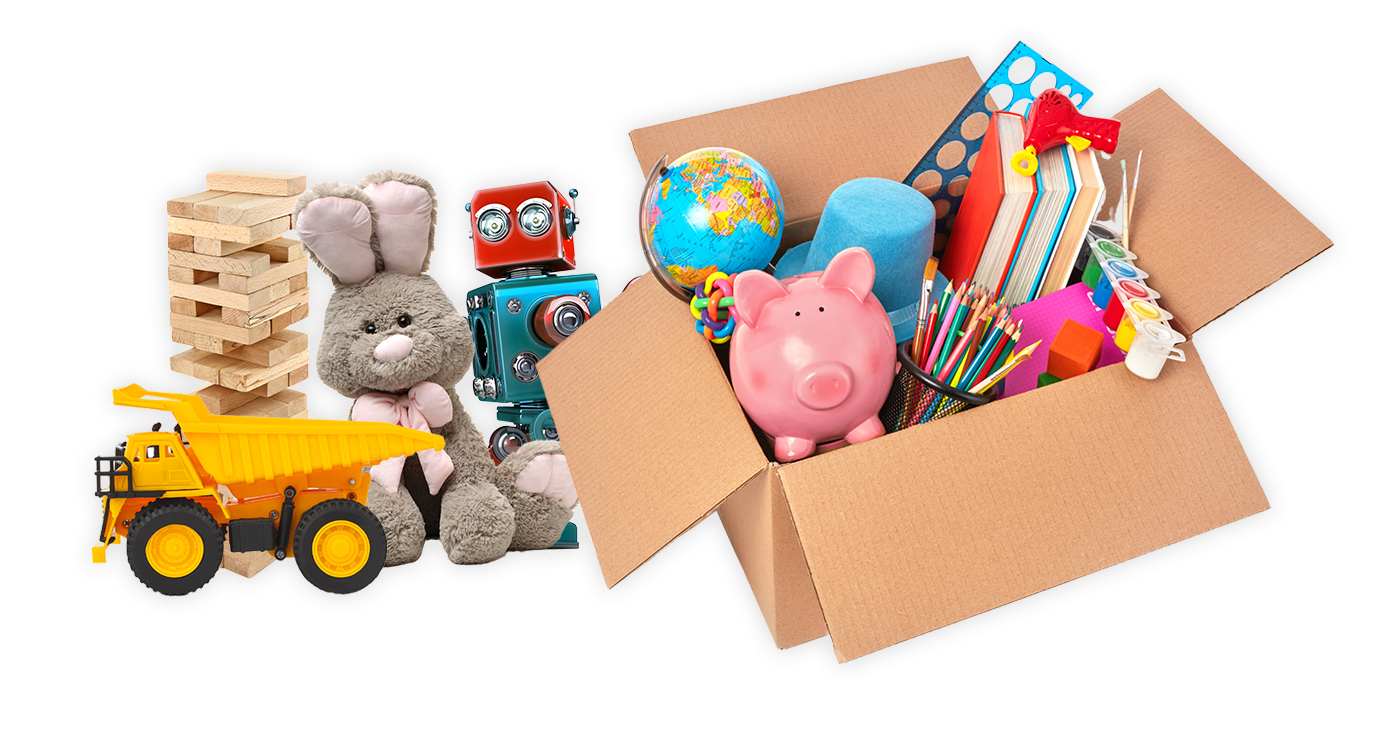
SmileKits
Participate in a memorable team building event while donating items to people in need. Each SmileKit is filled with gifts for your desired charity. Earn items through a series of interactive team activities.
Schedule Your Team Building Event Today!
Team Builders Plus is the recognized leader in corporate team building.
Our approach is to deliver fun, engaging and transformative events that people will be talking about for years. Whether your group is large or small, your team will build trust, connection and the skills to create an environment where everyone can thrive.
Find Your Perfect Team Experience
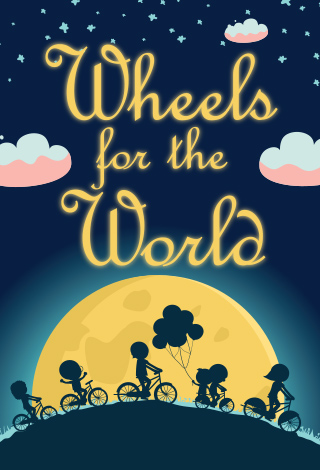
Wheels for the World
Recall the fun and freedom of your first bicycle. Here’s your chance to create those memories for childrenn. Earn bicycle parts through fun activities then donate the bikes to kids in need.
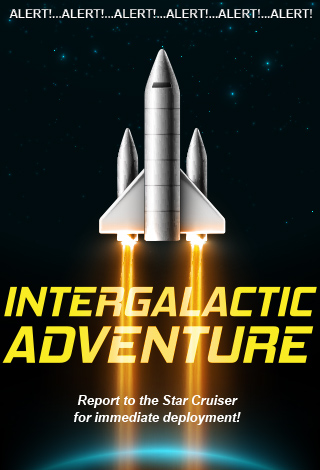
Intergalactic Adventure
Are you ready to save the galaxy from invading aliens? In Intergalactic Adventure teams must break down silos and work together to achieve a common mission. This high-energy program is both fun and educational.
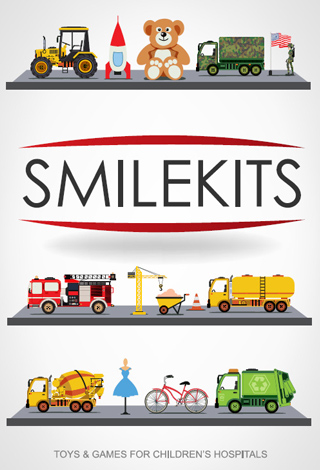
SmileKits
Participate in a memorable team building event while donating items to people in need. Each SmileKit is filled with gifts for your desired charity. Earn items through a series of interactive team activities.
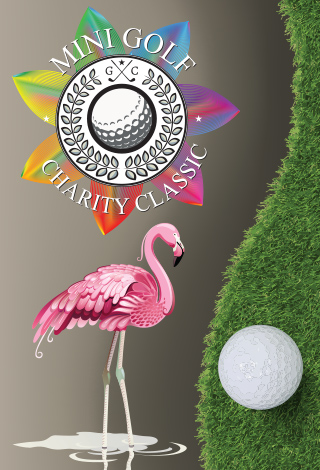
Mini Golf Charity Classic
Mini Golf Charity Classic is a fun way to give back to the community. Earn cans and boxes of food to build a miniature golf course. After creating the course, play a round of golf then donate the food to a local food bank.
Gold Medal Games
Based on the olympic ideals of teamwork, sportsmanship, and good clean fun, Gold Medal Games is a team building program filled with hilarious exercises designed to build camaraderie among coworkers. Who will win the gold?
Team Samurai
Martial Arts instructors, who also happen to be team building facilitators, will guide you and your group on an uplifting journey to combine the principles of the martial arts to bring out the best in your team.
In It to Win It
In It to Win It combines fun and zany tabletop group activities ideal for a conference kick-off event or evening entertainment. You will laugh your way through a series of excercises.
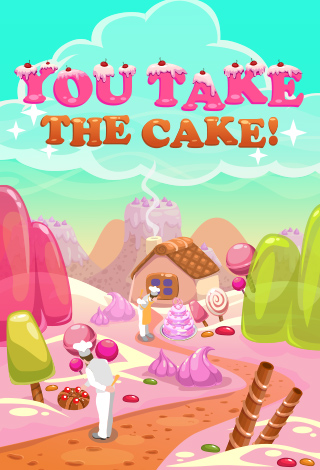
You Take the Cake!
You Take the Cake is a delicious and creative team building program for your team. Imagine sculpting a cake into an artistic and innovative metaphor for teamwork, success, or any initiative your organization is supporting.
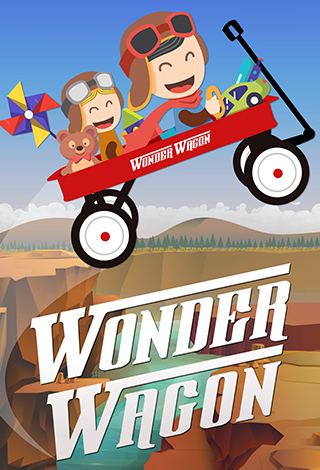
Wonder Wagon
Remember playing hopscotch on a chalk-colored sidewalk? Or how about tossing a Frisbee in a park on a sunny day? Your team will earn outdoor games for children that will fill a classic Radio Flyer wagon. Your team will build the wagon as they earn the parts in fun team activities.
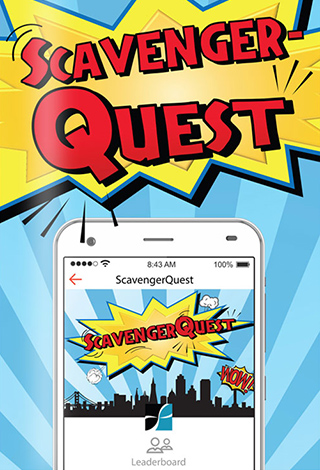
ScavengerQuest
Get ready for a thrilling team building adventure! Using your smartphones, teams race, compete in fun challenges, earn points and capture pictures to share with each other during the hunt. Discover a city or zoo like never before!
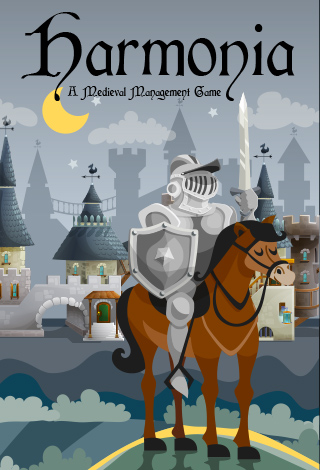
Harmonia
Welcome to the Kingdom of Harmonia! Transport to medieval times where the kingdom desperately needs your guidance and wisdom. Every decision you make will determine whether you prosper or perish. Work together to defeat the neighboring kingdom, Nexdoria.
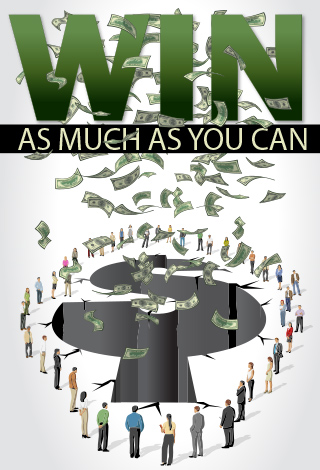
Win as Much As You Can
Win as Much as You Can is the perfect one-hour event to allow people to experience the power of teamwork, trust, effective communication, and working towards common goals.
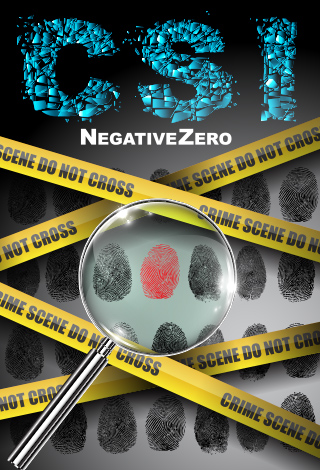
CSI: NegativeZero
Does your team have what it takes to solve a high-profile homicide? In the CSI: NegativeZero team building program, participants learn CSI agent crime solving skills using a combination of real and comical crime fighting techniques.
Team Challenge
Through a series of activities, your team members will gain a deeper understanding of how they work together and communicate. The debrief that follows each exercise links their experience to real-world applications.
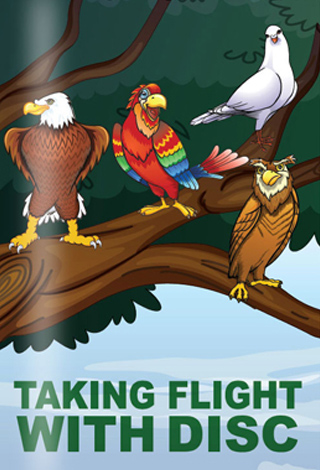
Taking Flight with DISC
In a highly entertaining training program, Taking Flight With DISC teaches people how to tap into the power of their personality to build better relationships, create a better team environment and get better results.

Transforming Your Senior Leadership Team
Organizations are only as effective as the people who lead them. Unfortunately, senior teams are often held back by silos, poor communication, and lack of alignment. This program will help develop the team that creates culture and drives success.
What Our Clients Say

Companies We’ve Worked With